


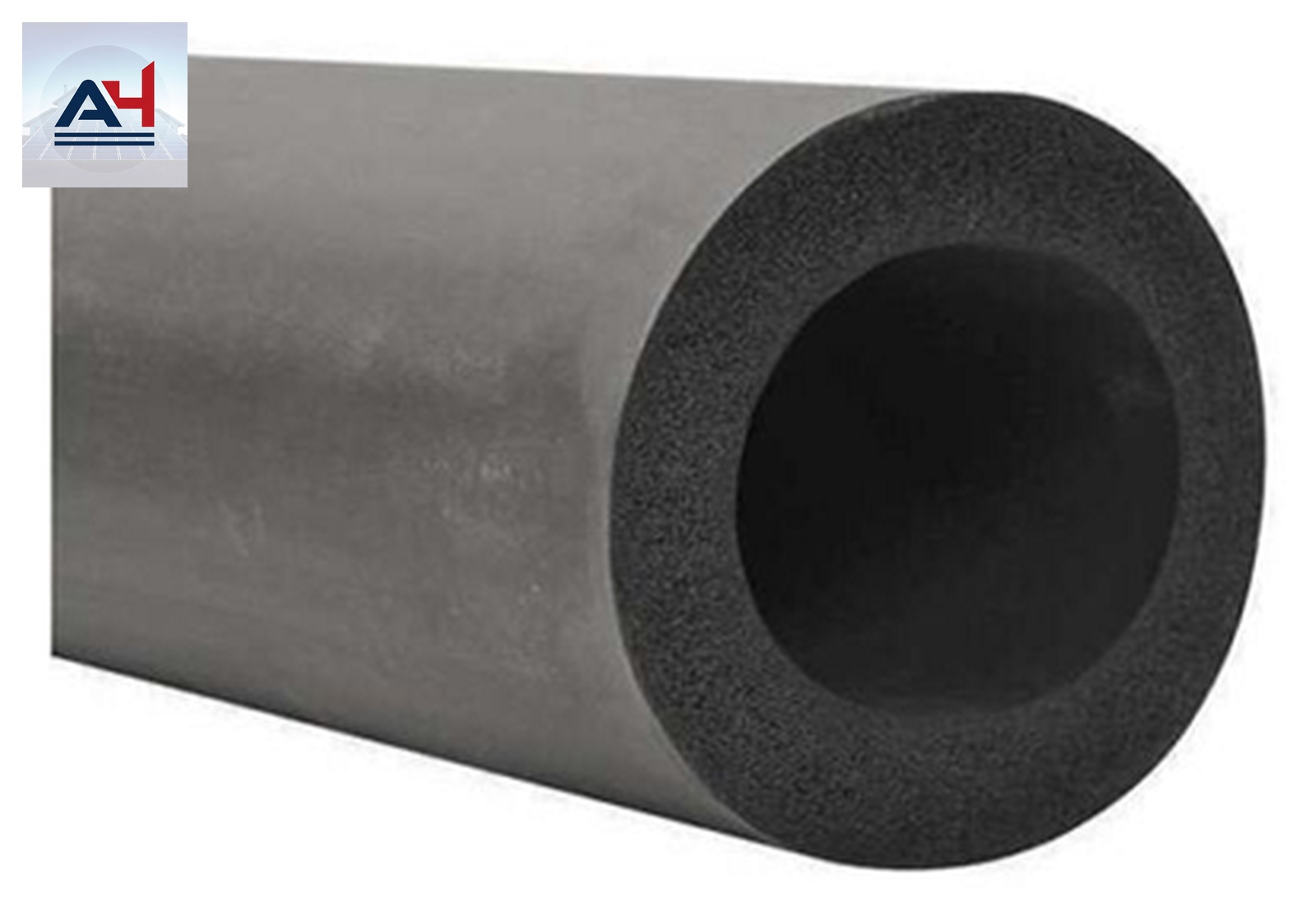
HVAC/R pipe insulation is crucial for maintaining desired fluid temperatures in heating, cooling, and refrigeration systems. This pipe insulation effectively minimizes heat loss from hot water pipes, prevents heat gain in chilled water or refrigerant lines, and significantly reduces energy consumption. It also plays a vital role in preventing condensation on cold pipes, which can lead to moisture damage, mold growth, and reduced system efficiency in commercial and industrial settings.
HVAC technicians, plumbers, and facility managers seek specific pipe insulation to optimize system performance and comply with energy codes. This insulation is selected by matching its 1-7/8 inch inner diameter to the pipe size and considering the 1/2 inch wall thickness for thermal performance. While specific material details are not provided, it is designed for general HVAC/R applications, ensuring compatibility with common operating temperatures and environmental conditions for a proper fit.
Proper selection and installation are paramount for the long-term effectiveness of pipe insulation. Ensuring a snug fit, sealing all seams, and protecting the insulation from mechanical damage or UV exposure are critical steps. Investing in the correct insulation helps extend equipment lifespan, reduces operational costs, and contributes to a more stable and comfortable indoor environment, making it a fundamental component of any efficient HVAC/R system.
Leave a Reply